
Are These Bed Bug Bites? Signs, Symptoms, and What to Do
Waking up to find strange marks on your skin can be unsettling. At first, you might dismiss them as a simple rash or irritation. But when new marks continue to appear, you may start to wonder: Could these be bed bug bites?
If this sounds familiar, you’re not alone. Bed bug bites are a common concern, and knowing what to look for can help you determine whether bed bugs may be present in your home. In this article, we'll explore the signs and symptoms of bed bug bites, how to distinguish them from other skin irritations, and what steps to take if you suspect an infestation.
Are These Bites from Bed Bugs?
Identifying bed bug bites can be tricky. Here's why:
- Bite marks alone aren't conclusive. Everyone's skin reacts differently to bites, allergens, and irritants. While bed bug bites often appear as small, red welts, they can also resemble mosquito bites, rashes, or other skin conditions.
- Other pests bite, too. Spiders, fleas, and mosquitoes can leave marks that look similar to bed bug bites.
- It might not even be a bite. Skin reactions to laundry detergents, soaps, and other irritants are sometimes mistaken for insect bites.
Tip: If you're noticing recurring skin irritation or new marks over time, it's worth investigating further to determine whether bed bugs may be the cause.
Key Signs of Bed Bug Bites
1. Consistency
- Frequency of bites: Bed bugs typically feed every few days, often while people are sleeping. If you're regularly waking up with new marks, it may be a reason to investigate. However, the presence or frequency of bites alone cannot confirm bed bugs.
- Time of day: Bed bugs are primarily nocturnal and tend to feed when people are resting. Their activity is most common during the nighttime and early morning hours.
- Reaction timing: Bite marks may appear one to two days after being bitten. However, some people may not develop visible reactions for up to 14 days.
2. Location
- Exposed skin: Bed bugs commonly bite areas of the body that aren't covered by clothing, including the arms, legs, neck, face, and feet.
- Clothing test: Sleeping in long sleeves and pants may help limit exposed skin, but changes in bite patterns aren't a reliable way to confirm bed bug activity.
3. Appearance
- Patterns: Bed bug bites may appear in clusters or straight lines, although they don't always follow a predictable pattern.
- Welts: Small, red, itchy bumps are common reactions.
- Individual variability: Not everyone reacts to bed bug bites. Some people experience little to no visible irritation, making it more difficult to recognize a potential infestation.
Tracking Your Bites
Keeping a bite diary can help you identify patterns and determine whether further investigation is necessary.
Consider documenting:
- The number of new marks appearing each day.
- Where the marks appear on your body.
- Whether the marks are itchy, swollen, or irritated.
- Any changes in your sleeping environment, such as switching bedding or sleeping in a different location.
While tracking symptoms can be helpful, remember that bite patterns alone cannot confirm a bed bug infestation. A physical inspection of your sleeping area is important.
Common Misidentified Pests
Not all insect bites or skin irritations are caused by bed bugs. Several other pests can produce similar symptoms.
| Pest | Bite or Skin Reaction Characteristics |
|---|---|
| Spiders | Bites may cause localized swelling, redness, or pain. |
| Fleas | Bites are commonly concentrated around the lower legs and ankles, particularly in homes with pets. |
| Mosquitoes | Often cause isolated, intensely itchy bumps that appear relatively soon after being bitten. |
| Carpet Beetles | Their tiny hairs can cause skin irritation that resembles a rash rather than an actual bite. |
| Chiggers | Often cause clusters of itchy bumps after outdoor exposure, particularly around warm, moist areas such as the backs of knees and waistlines. |
Understanding these differences can help you avoid jumping to conclusions and determine whether a professional pest inspection is needed.
When to Call a Professional
Knowing when to contact a professional bed bug exterminator can make a significant difference in addressing a potential infestation.
Consider scheduling an inspection if you're experiencing:
- New, unexplained bite marks appearing regularly.
- Recurring skin irritation, particularly after sleeping.
- Bite-like marks appearing in clusters or consistent patterns.
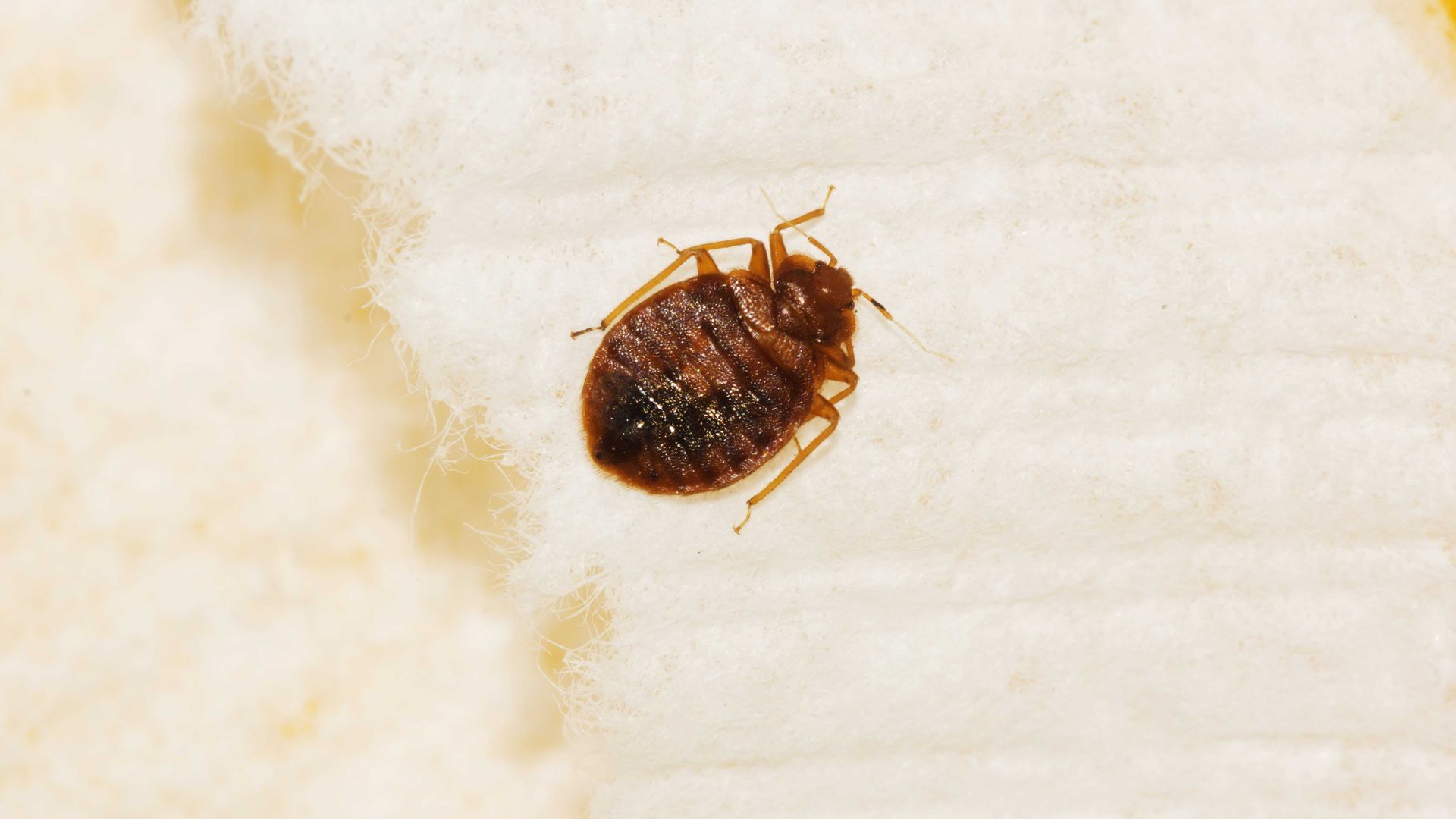
- Signs of suspected bed bug activity, such as live insects, dark fecal spots, shed skins, or tiny eggs around your mattress, bed frame, and furniture.
A professional inspection can help determine whether bed bugs are present and identify the extent of the problem.
If you suspect bed bugs in your home, don't wait for the problem to get worse. Early identification and proper treatment can help prevent an infestation from spreading.
Take the Next Step Toward a Bed Bug-Free Home
Finding unexplained bites can be frustrating, especially when you're unsure what's causing them. Although certain patterns and symptoms may suggest bed bug activity, the only reliable way to confirm an infestation is through a thorough inspection.
Our team can help identify potential bed bug activity, answer your questions, and recommend the appropriate next steps to protect your home.
Contact us today to schedule a professional bed bug inspection and take the first step toward restoring your peace of mind.